


For many cancer survivors, finishing treatment is not the end of the journey.
Long after appointments become less frequent and scans show no evidence of disease, patients may face unexpected challenges that affect their quality of life. Fatigue, body image concerns, intimacy challenges, menopause symptoms, fertility issues and changes in sexual function can all become part of survivorship.
Yet many patients are surprised when those issues arise.
“Why didn’t anybody tell me this?” Erin Sullivan-Wagner remembers wondering after her own cancer treatment.
Today, Sullivan-Wagner is working to help ensure future patients are better prepared.
As founder and executive director of After Cancer, an Iowa-based nonprofit organization, she collaborates with cancer care teams across the country to help make conversations about sexual health and intimacy a more routine part of cancer care. Through partnerships with the Nassif Community Cancer Center and other organizations, her work is helping equip oncology professionals with tools and resources to better support patients long after treatment ends.
An Overlooked Part of Survivorship
Sullivan-Wagner’s passion for the work stems from her own experience as a cancer survivor.
After treatment, she experienced side effects that affected intimacy and quality of life. As she searched for answers, she discovered many healthcare professionals were uncomfortable discussing the topic, and a lot of patients were struggling with similar concerns without knowing where to turn.
Over time, she began speaking with other survivors and heard many of the same themes. Some experienced physical side effects. Others struggled with body image, communication with partners, loss of desire, early menopause or changes in how they viewed themselves after treatment.
“At the time of diagnosis, sexual health is usually the last thing on a person’s mind,” Sullivan-Wagner said. “People are focused on getting through treatment. But when treatment is over and they’re trying to get back to their lives, that’s often when these concerns become very real.”
According to Sullivan-Wagner, sexual health after cancer is about much more than sexual function and the ability to have penetrative sex. It can affect relationships, self-confidence, emotional wellbeing and overall quality of life.
Nancy Yeisley, MSW, LISW, OSW-C, oncology social worker at the Community Cancer Center, says these concerns are more common than many people realize.
“Sexual health and wellbeing are an important part of your overall health and wellbeing,” Yeisley said. “Research shows that at least half of all cancer patients experience changes in their sexual health related to cancer and/or treatment side effects.”
Those changes can affect much more than physical intimacy.
“The most common concern is low libido or desire for sex,” Yeisley said. “The emotions involved with facing a serious illness in addition to what is physically happening to your body often lead to a low libido. This can create changes and challenges in relationships with partners.”
Depending on the type of cancer and treatment, patients may also experience erectile dysfunction, vaginal dryness, pain during intercourse, body image concerns and other side effects that affect intimacy.
“It is especially challenging after treatment because patients and their partners are looking to get back to ‘normal’ when it is more a matter of finding a new normal after cancer,” Yeisley said.
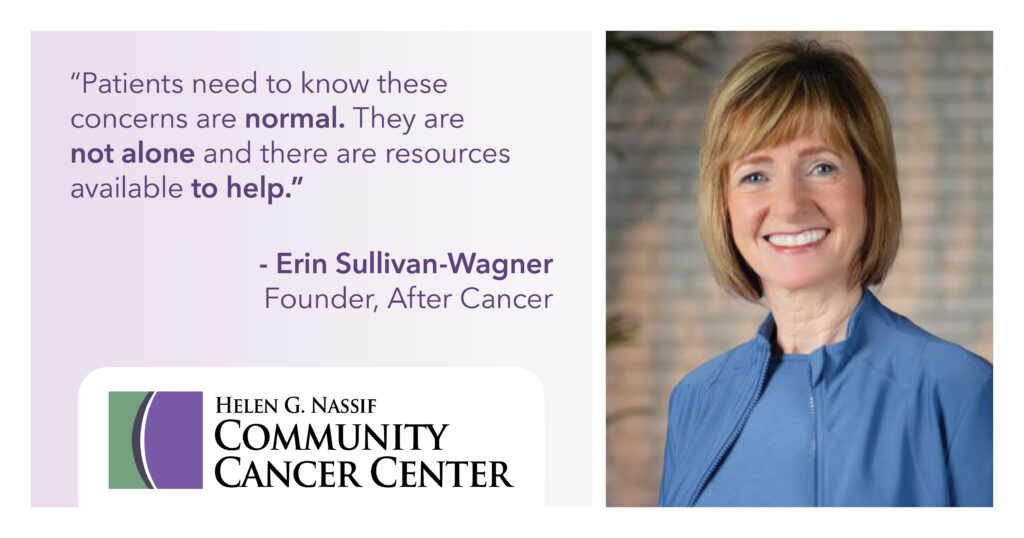
“Patients need to know these concerns are normal,” Sullivan-Wagner added. “They need to know they’re not alone and that there are resources available to help.”
Helping Care Teams Start the Conversation
Initially, Sullivan-Wagner worked directly with cancer survivors as a life coach. But she soon realized she could have a greater impact by helping the people patients already trust most — their healthcare teams.
She began collaborating with specialists and cancer organizations to better understand why conversations about sexual health were not happening consistently in cancer care.
What she learned was that many healthcare professionals recognized the importance of the topic but lacked the time, training or confidence to address it.
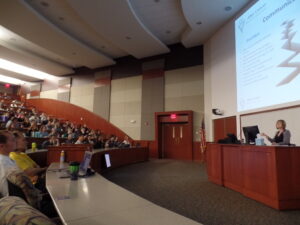
In response, Sullivan-Wagner helped develop educational programs, workshops and practical resources designed specifically for oncology care teams. Rather than expecting every clinician to become a sexual health expert, the training focuses on helping care teams acknowledge the topic, normalize concerns and connect patients with appropriate resources when needed.
One of the tools developed through After Cancer is a simple “30-second patient message” that helps healthcare professionals introduce the subject in a way that feels natural and approachable.
“Patients don’t need every provider to have all the answers,” Sullivan-Wagner said. “They just need to know someone on their care team recognizes this as an important part of their quality of life.”



Supporting Patients at the Nassif Community Cancer Center
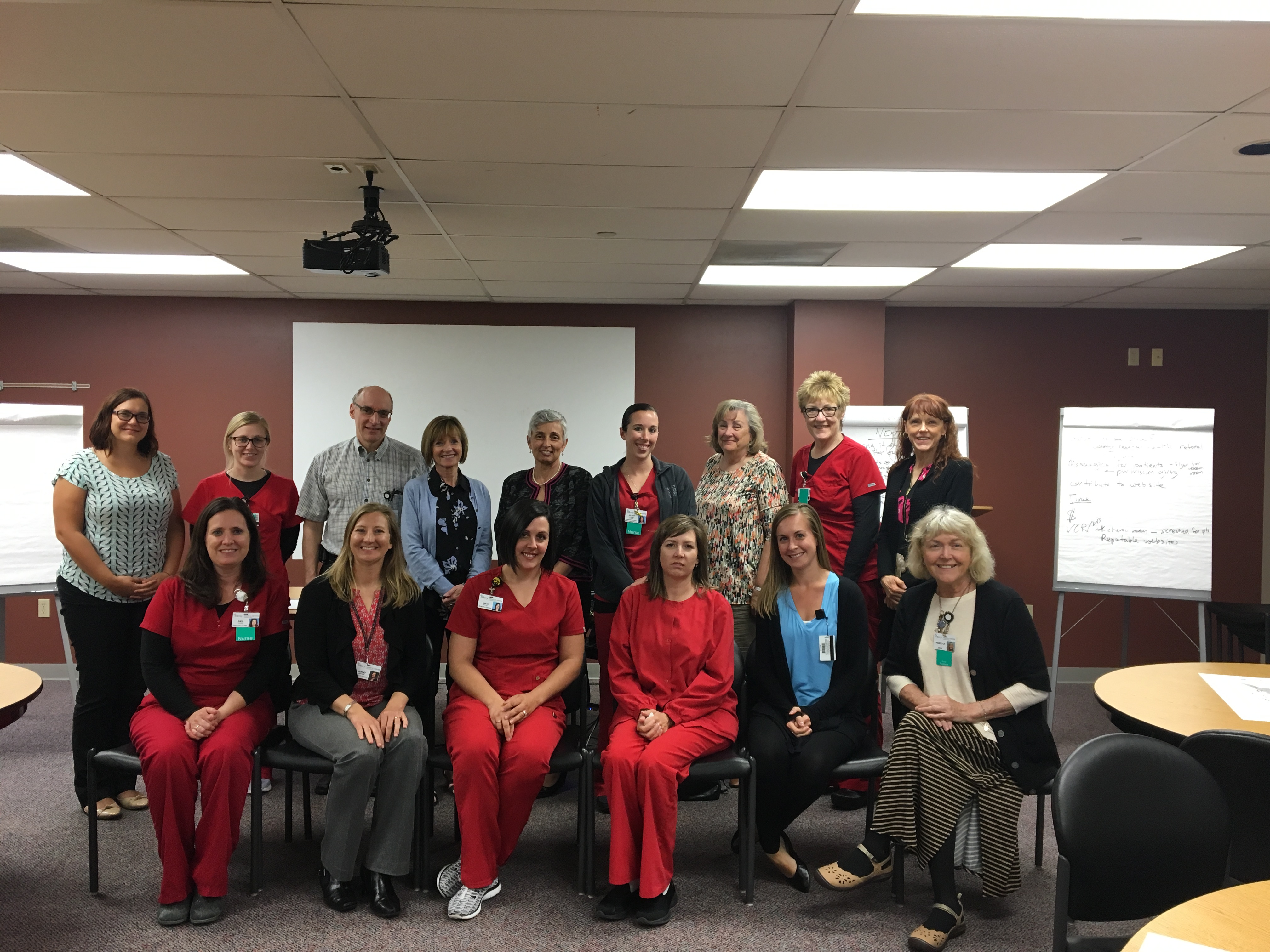
Over the years, Sullivan-Wagner has partnered with team members at the Community Cancer Center through educational workshops, resource development and statewide cancer care initiatives.
Those collaborations have focused on helping cancer care teams feel more comfortable discussing survivorship concerns that can affect patients long after treatment ends.
“Her materials give staff language to start conversations that can otherwise feel uncomfortable,” Yeisley said.
Having those resources available helps normalize discussions about intimacy, body image and sexual health, making it easier for patients to ask questions and seek support when challenges arise.
“Erin is great,” Yeisley said. “She is so knowledgeable and has such a great understanding of the intricacies of how these issues impact patients.”
Sullivan-Wagner says one of the most encouraging changes she has seen over the past decade is growing recognition that sexual health is an important component of cancer survivorship.
“Whenever I talk about this topic, people immediately say, ‘We need this,'” she said. “The awareness is there. The challenge is making sure patients and care teams have the resources they need.”
You’re Not Alone
After Cancer continues to expand its educational offerings for both healthcare professionals and patients, including a new patient education course focused on navigating sexual health and intimacy concerns after cancer treatment.
For survivors experiencing these challenges, Yeisley has a simple message.
“You are not alone in this experience,” she said. “Please talk to your care team, whether it is the doctor, nurse practitioner, nurse or social worker. There is help available.”
Experienced Survivorship Care
If you are experiencing any of the concerns mentioned in this article or are experiencing other concerns after going through cancer treatment, call the Nassif Community Cancer Center at (319) 558-4876 to speak with a member of our team. Our survivorship services are available to all cancer survivors, regardless of when or where you were treated.